

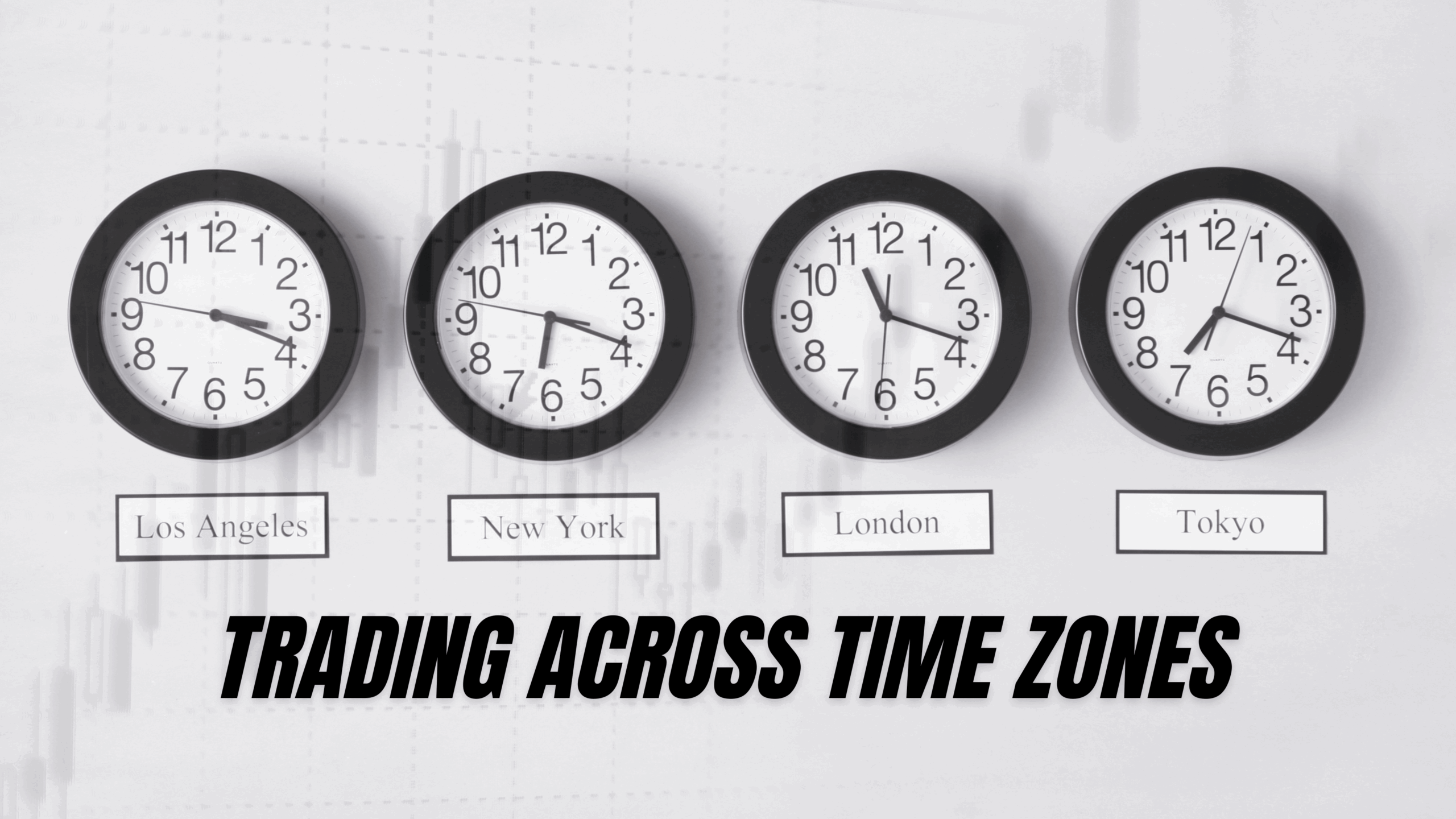
In the age of globalization and digital connectivity, information doesn’t just travel fast – it travels instantly. A politician’s remark in Japan, a central bank announcement in Europe, or even a late-night tweet from a billionaire can send shockwaves across international markets in seconds. Welcome to the interconnected world of online trading, where geography doesn’t limit opportunity – and time zones don’t sleep.
The 24-Hour Market Symphony
Imagine standing in a vast concert hall where every section of the orchestra plays in shifts. The Asian markets open first, followed by Europe, and then the U.S. – and yet, the music never truly stops. This is global trading: a 24-hour symphony where each region contributes its own tempo, instruments, and surprises.
For traders, this non-stop rhythm means that no matter where you are, the market is always alive somewhere. While Tokyo hums with activity, New York may be asleep. By the time Wall Street wakes up, the Asian session’s performance could already have shaped the mood of the day.
Why One Tweet Matters
In a perfect world, markets would move only on fundamentals – earnings reports, interest rates, and economic growth. But in reality? Markets move on perception, sentiment, and even rumor. Social media has amplified this effect.
Consider this: in 2020, Elon Musk tweeted just one word – “Gamestonk!!” – and instantly, GameStop’s stock surged, fueling a global frenzy. Now imagine similar reactions triggered in Asia that cascade across Europe and into the U.S. By the time American traders log on, they’re reacting not only to the tweet but also to how the world has already responded.
This ripple effect is what makes online trading so dynamic. It’s no longer just about what happens in your own country – it’s about how the world interprets and amplifies events.
Time Zones as Trading Sessions
Global markets run in cycles:
- Asian Session (Tokyo, Hong Kong, Sydney): Known for volatility in currencies like the yen and the Aussie dollar. News from China often sets the tone.
- European Session (London, Frankfurt): Overlaps with Asia and the U.S., making it the most liquid period. Big moves often happen here.
- U.S. Session (New York, Chicago): The heavyweight session where Wall Street headlines dominate, but also where global reactions converge.
A trader in South Africa, for example, can wake up to Tokyo’s market results, strategize during London’s session, and finish strong with Wall Street’s closing bell – all without leaving their desk.
Case Study: When Asia Sneezes, Wall Street Catches a Cold
Let’s rewind to August 2015. China unexpectedly devalued the yuan. Within hours, Asian markets tumbled. Europe opened to red screens. By the time New York began trading, panic had already spread worldwide, resulting in the infamous “Flash Crash” of August 24th.
This event showed that a single move in Asia can ripple across the globe. Traders who understood the interconnectedness of time zones didn’t just survive the storm – they profited from it.
The Role of Technology in Shrinking the World
Decades ago, news traveled slowly. A central bank decision in Japan might take hours, or even days, to reach American traders. Today, thanks to smartphones, social media, and lightning-fast trading platforms, reactions are instantaneous.
A trader in Johannesburg can receive the same Bloomberg alert as a hedge fund manager in London. Algorithms, programmed to respond to keywords in news headlines, often act faster than humans, causing wild swings in seconds. This is why being plugged into the global flow of information is no longer optional – it’s survival.
The Human Side of Global Trading
Of course, technology isn’t the only factor. Traders themselves bring psychology into the equation. Fear in one market creates opportunity in another. Optimism in Europe might clash with pessimism in Asia, producing unique setups for those paying attention.
Picture this: a negative earnings report from a Japanese tech giant sparks a sell-off in Tokyo. By the time London opens, traders see an opportunity to short related European suppliers. Hours later, New York jumps in – hedging, speculating, and amplifying the trend. It’s like a relay race where the baton is market sentiment.
How to Trade Across Time Zones Successfully
So, how can you take advantage of this global dance?
- Know the Market Schedule
Understand when each session opens and closes. Liquidity and volatility often peak during overlaps – especially between London and New York. - Follow the News Flow
Track major events: central bank meetings, political speeches, earnings reports. A single headline can set the tone for hours. - Use Technology Wisely
Trading platforms, alerts, and even Twitter can give you an edge. But don’t let information overload paralyze you. - Adapt to the Psychology of Each Session
Asian sessions may react conservatively, while U.S. traders are often more aggressive. Recognize the personality of each market. - Think Globally, Trade Locally
You don’t need to trade every time zone. Focus on the sessions that align with your lifestyle and strategy, but always keep an eye on global ripples.
A Day in the Life of a Global Trader
Let’s imagine the journey of a trader who embraces the 24-hour market:
- Morning in South Africa: Wakes up to news of a political scandal in Tokyo – the Yen spikes.
- Midday: European markets open. London traders amplify the Yen move, pushing related currency pairs higher.
- Afternoon: Wall Street opens. U.S. traders, reacting to both Asian and European momentum, pile in. The trader locks in profits, all before bedtime.
This is the beauty of online trading – you’re not bound by borders, only by your ability to connect the dots.
The Future: Even Faster, Even More Global
As artificial intelligence, blockchain, and quantum computing enter the trading world, global markets will only become more connected. Imagine a world where trades settle instantly across continents, or where AI interprets tweets before humans can even read them.
In this future, understanding the global flow of information, and how Tokyo can move New York, won’t just be a skill. It will be the defining edge of successful traders.
Final Thoughts
Trading across time zones isn’t just about charts, numbers, or screens. It’s about understanding the global heartbeat of markets. One tweet in Tokyo, one policy in London, or one speech in Washington can spark a chain reaction felt worldwide.
For traders, being interconnected is both a challenge and an opportunity. The challenge is staying informed without burning out. The opportunity? Profiting from the ripples that flow endlessly from East to West, North to South.
So the next time you place a trade, remember: somewhere on the other side of the world, a decision, a word, or even a single tweet could be shaping your outcome. The market never sleeps, neither should your awareness.
